1.820.3345.33
Contact@TravelTourWP.com

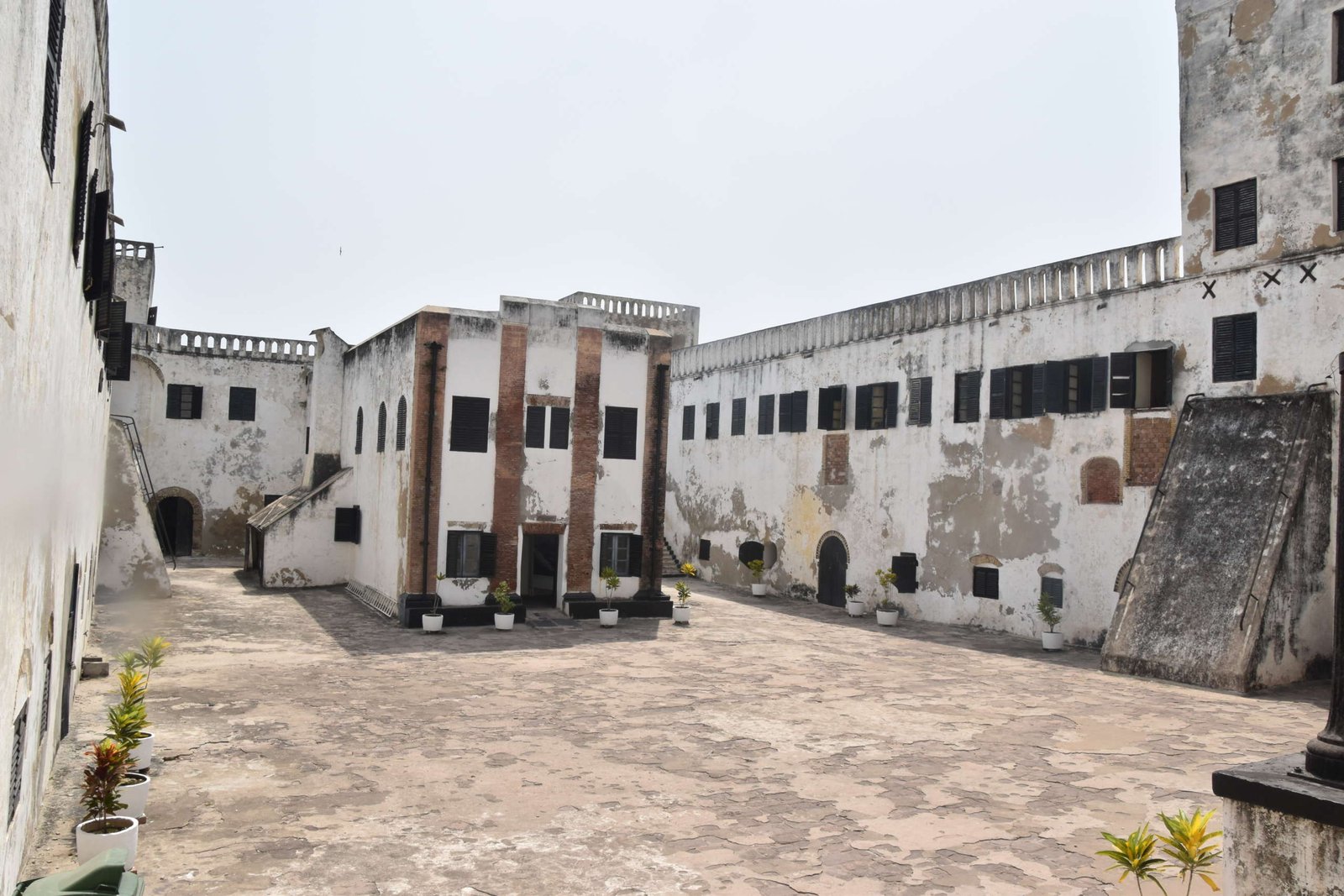
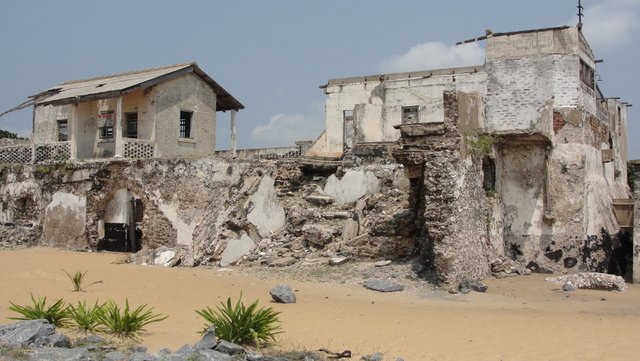
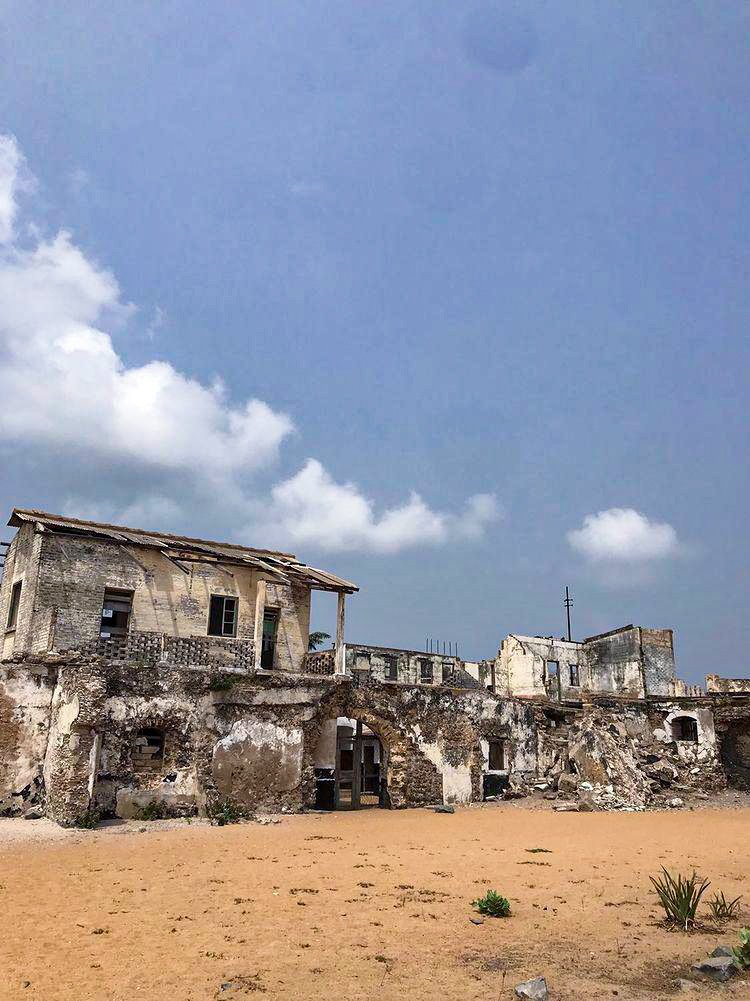
Discover one of the least visited parts of Ghana, the roughly 100km stretch of coast between the Volta river and Togolese border is also one of the most rewarding and highly recommended to travelers with inclination to spend a few days away from any established travel circuit. A dramatic feature of this region is the keta lagoon. A town along the silver of the coast dividing lagoon from ocean housing Fort Pridzenstein built by the Danes as a military fort later served as slave dungeons then finally becoming a prison after the British took over in 1850.
Choose Pickup Location
6AM
Discover one of the least visited parts of Ghana, the roughly 100km stretch of coast between the Volta river and Togolese border is also one of the most rewarding and highly recommended to travelers with inclination to spend a few days away from any established travel circuit.
Once known for its substantial involvement in the slave trade. A high-walled circular enclosure with a small wooden door, which serves as a narrow entrance, leads the viewer to the central feature of the memorial: a life-size sculptural group of a tall European slave-trader brandishing a whip over two kneeling African figures. The African figures, dressed in traditional garb, are chained at the neck. The interior walls of the monument are embellished with a narrative frieze illustrating a popular local legend.
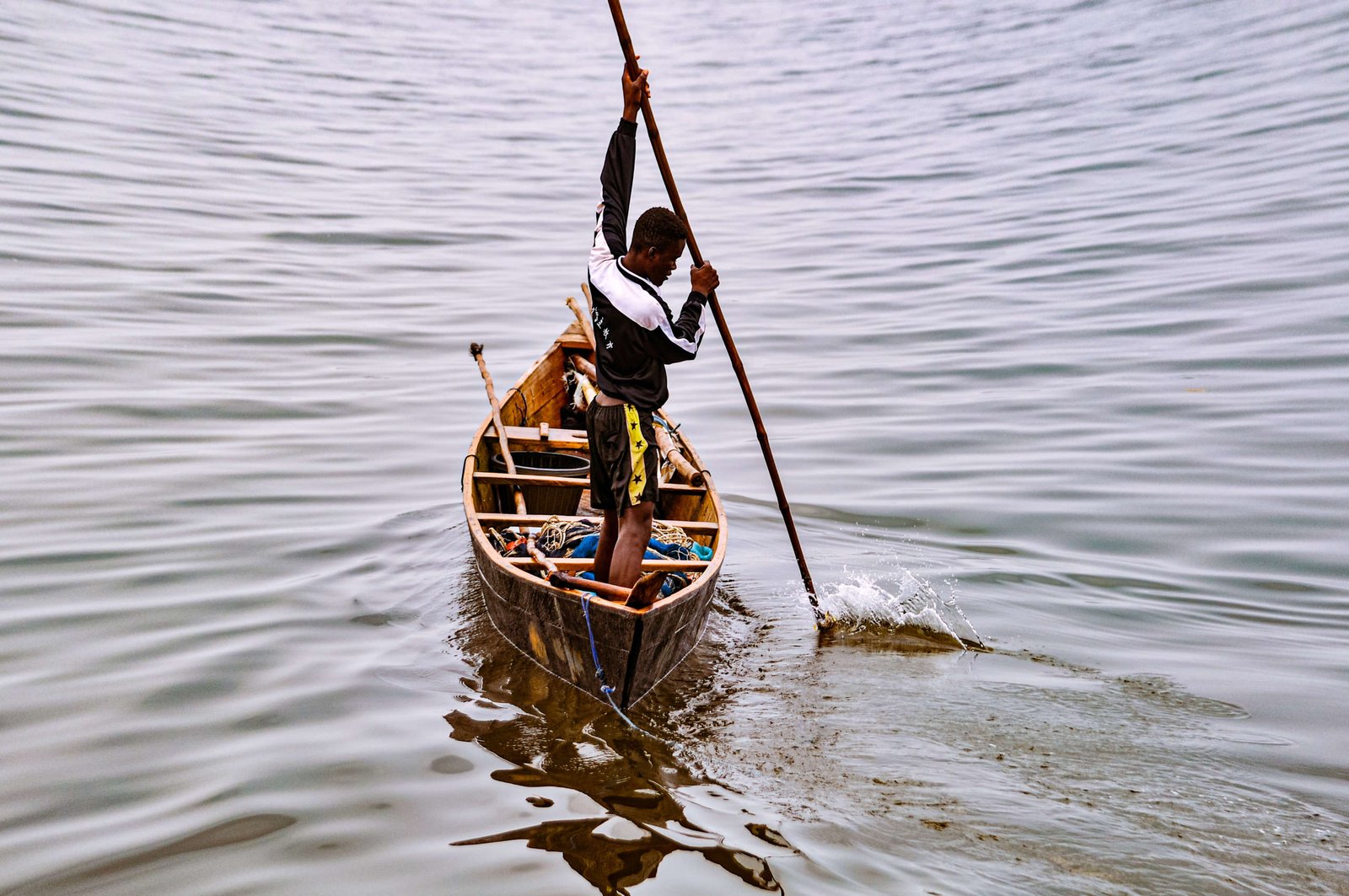
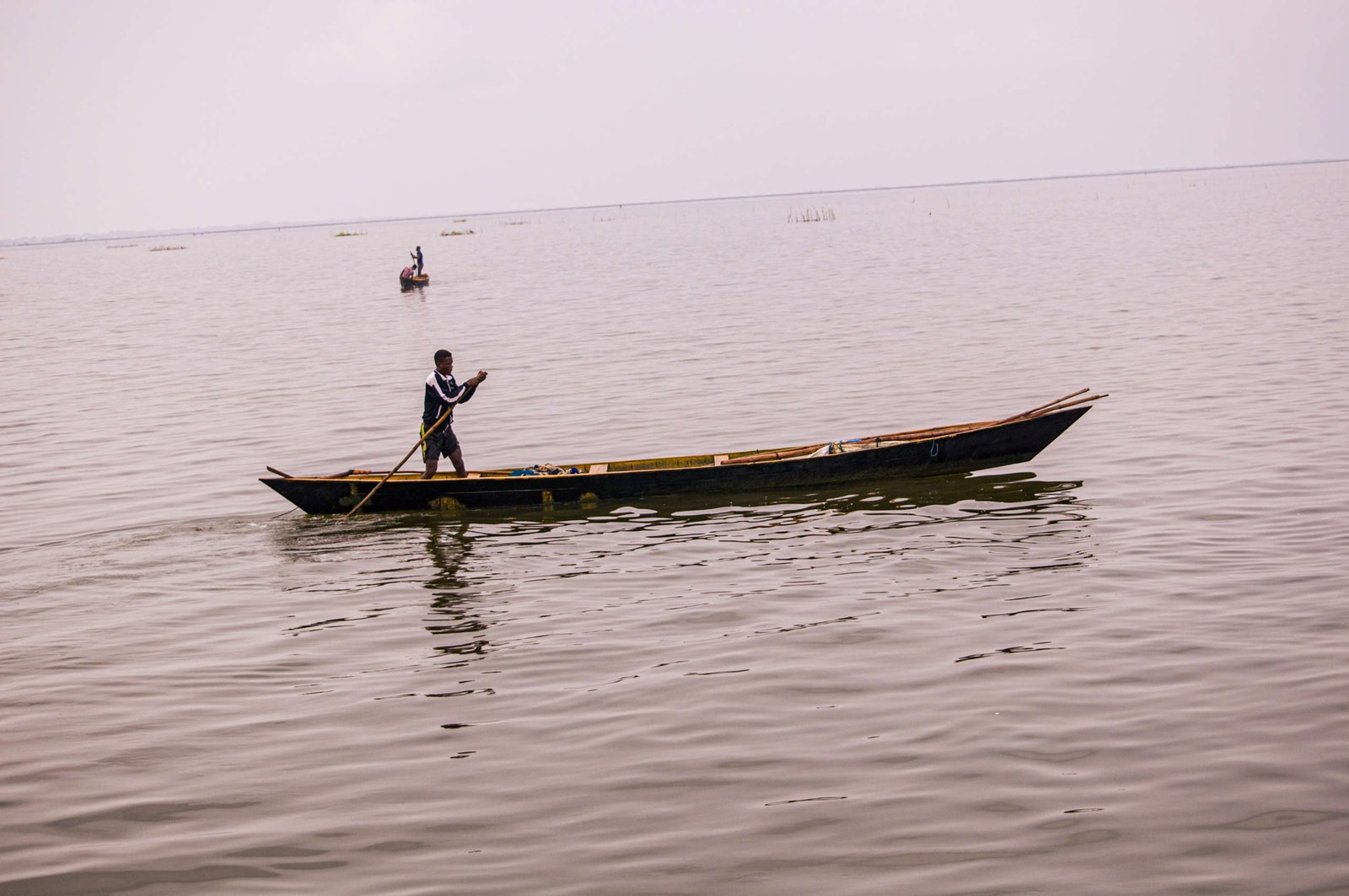
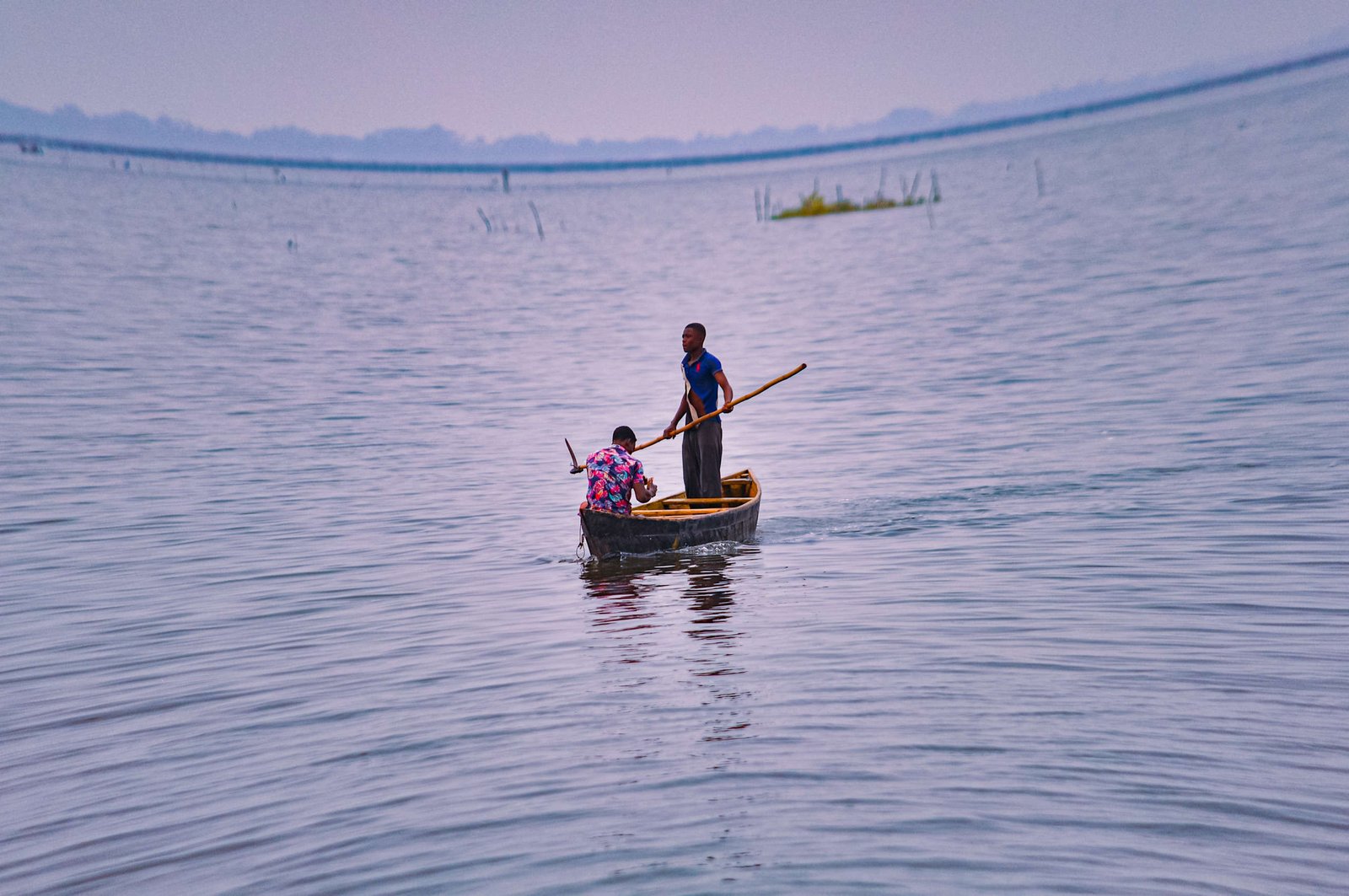
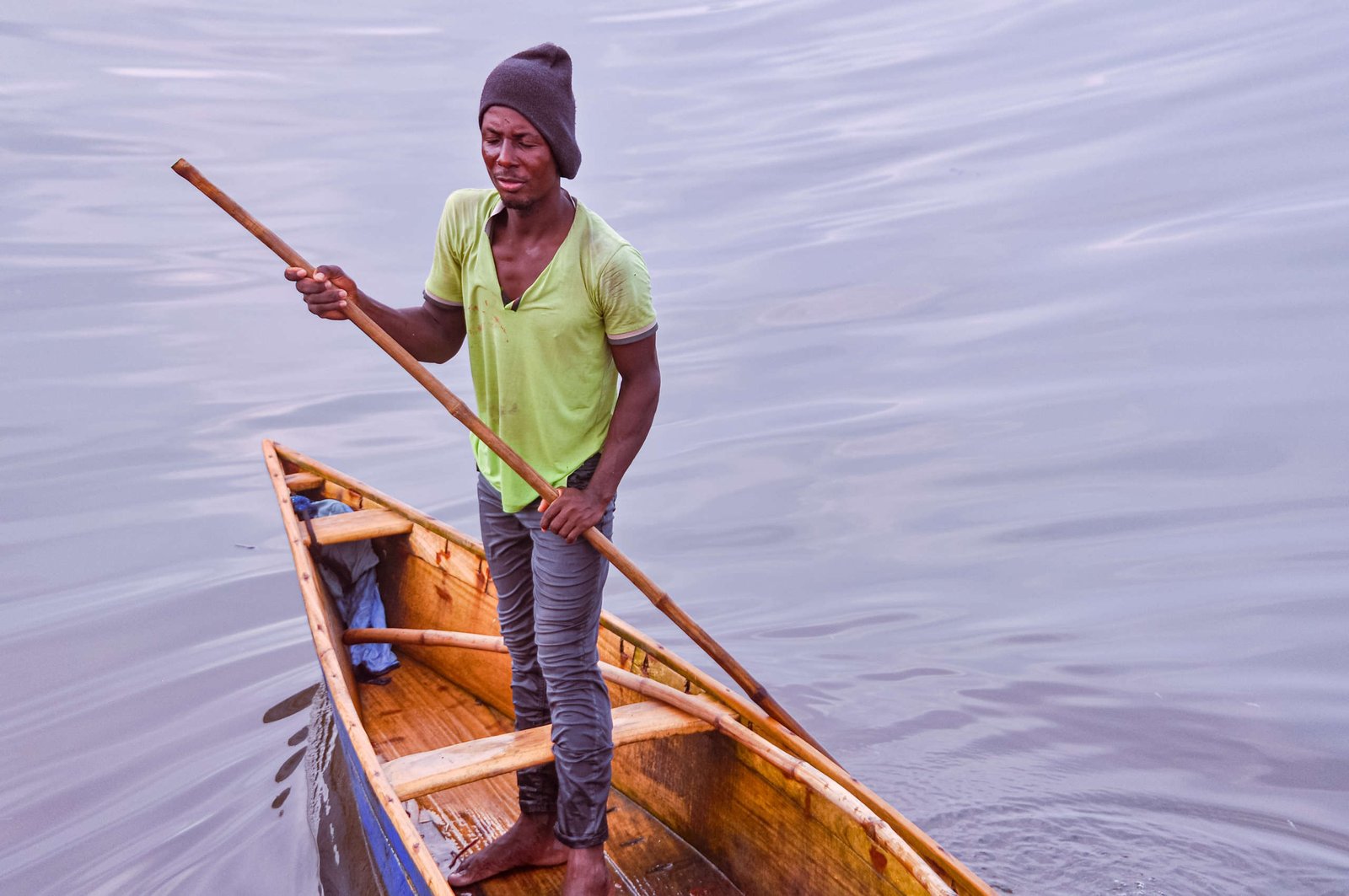
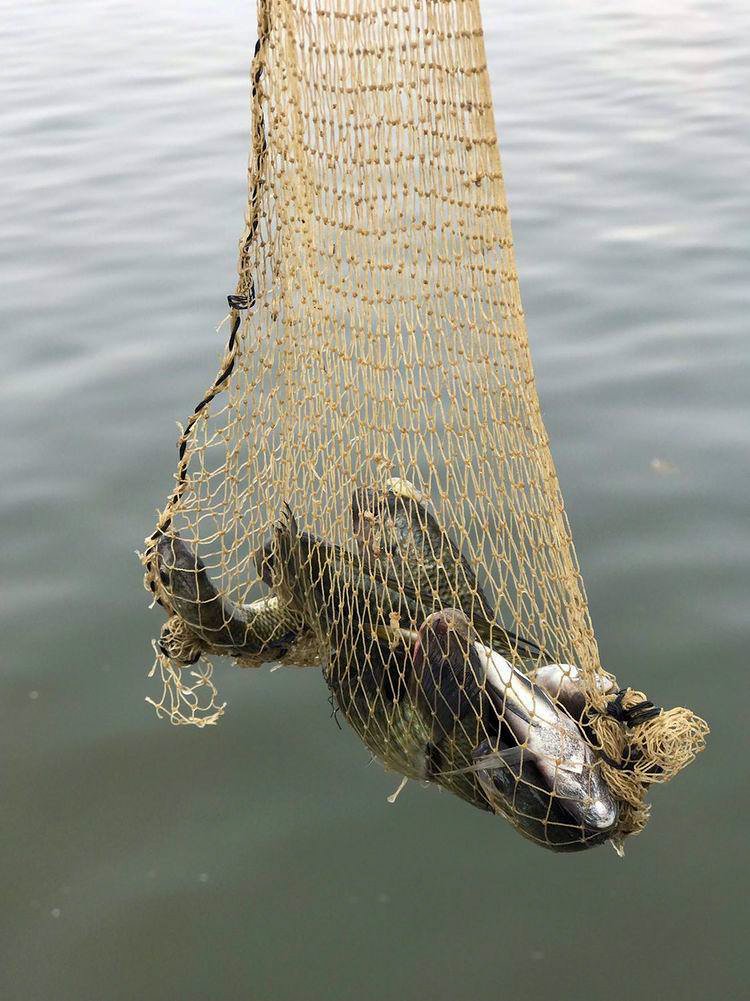
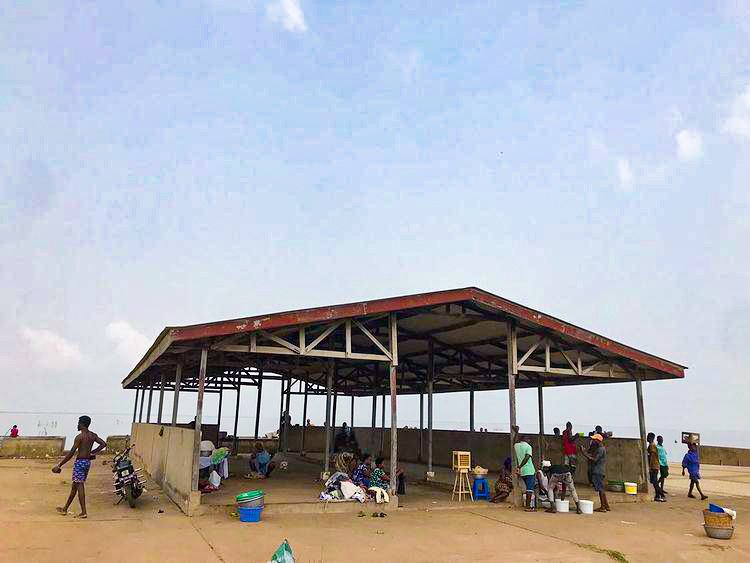
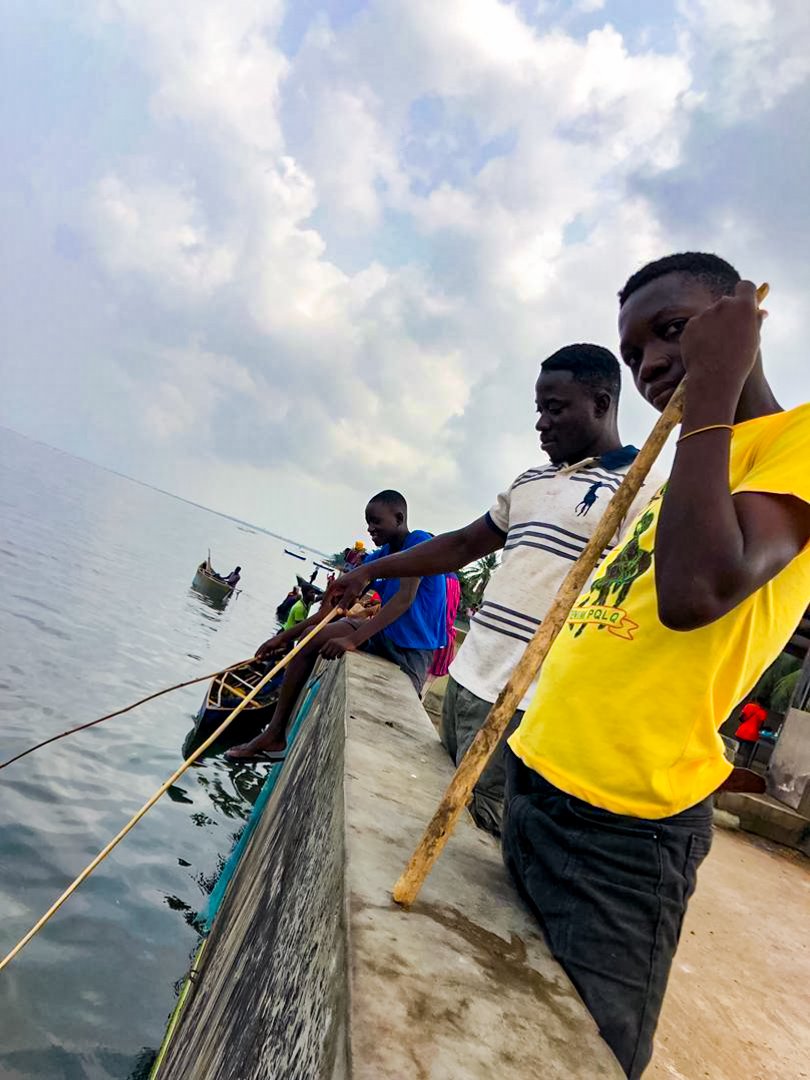
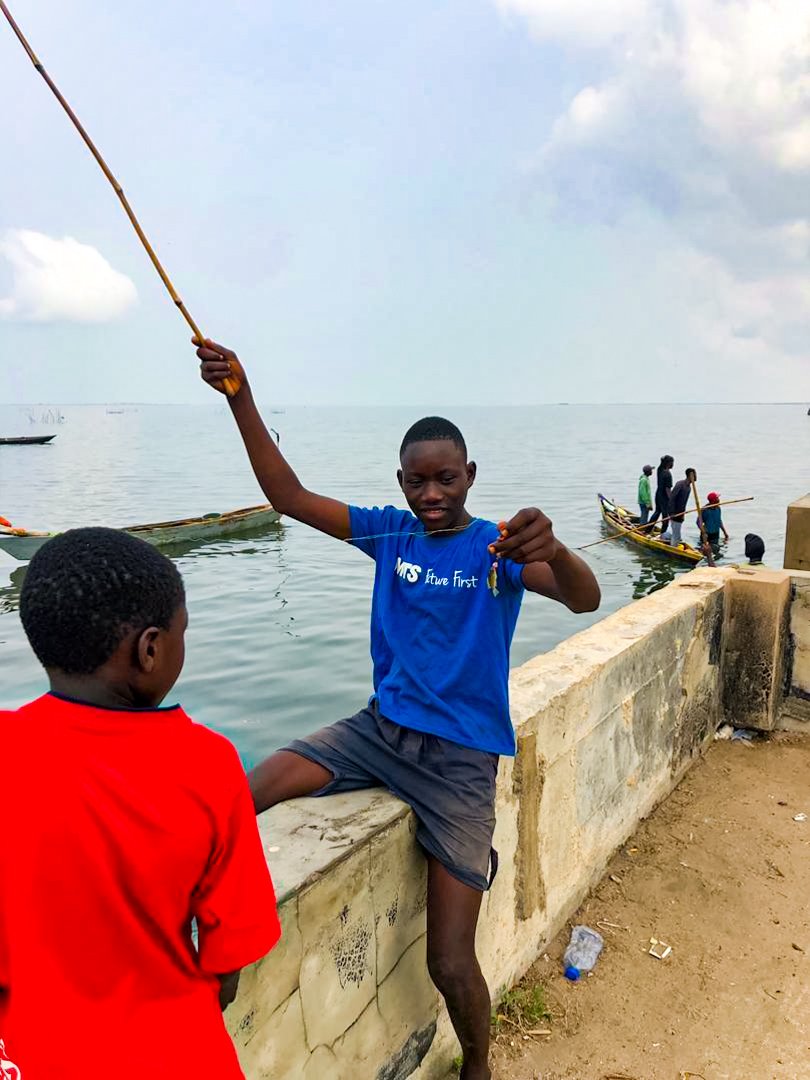
Visit the local fishing community for some local fishing experience
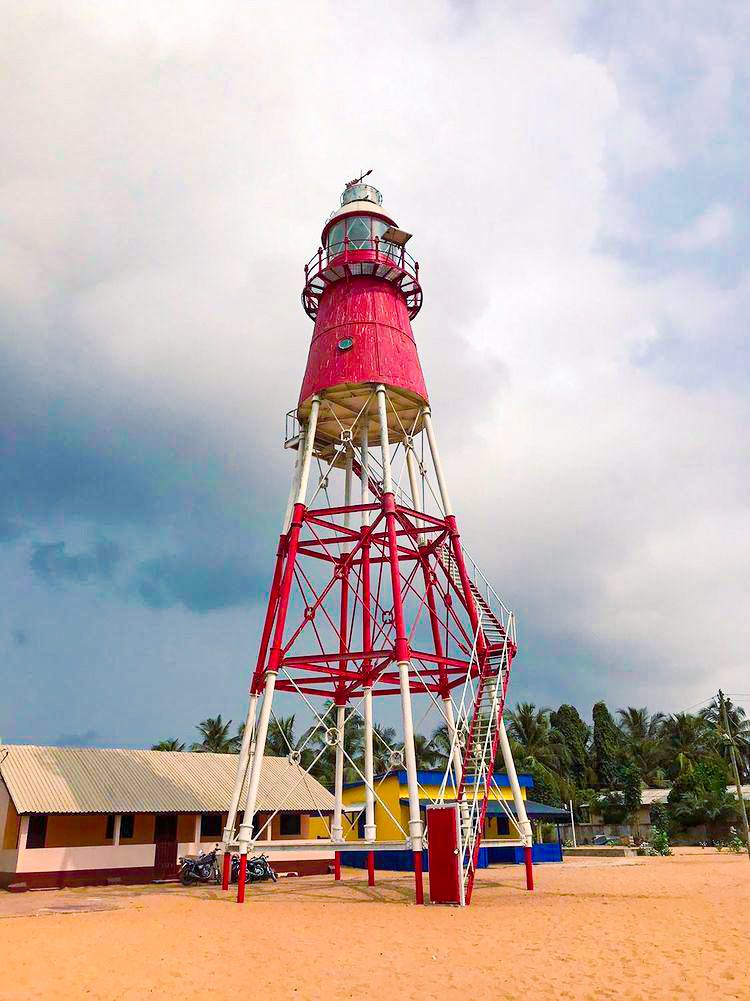
Climb the notable Cape St. Paul Lighthouse on the beach that guides ships away from a mythical massive seamount built in 1901 near woe, Ghana in the Volta region. the Cape St Paul Lighthouse is only one of two of these type of lighthouse in the world
The ancient lighthouse built completely of metal and the only kind of this lighthouse is found in the USA is the Alpena lighthouse bult in 1904
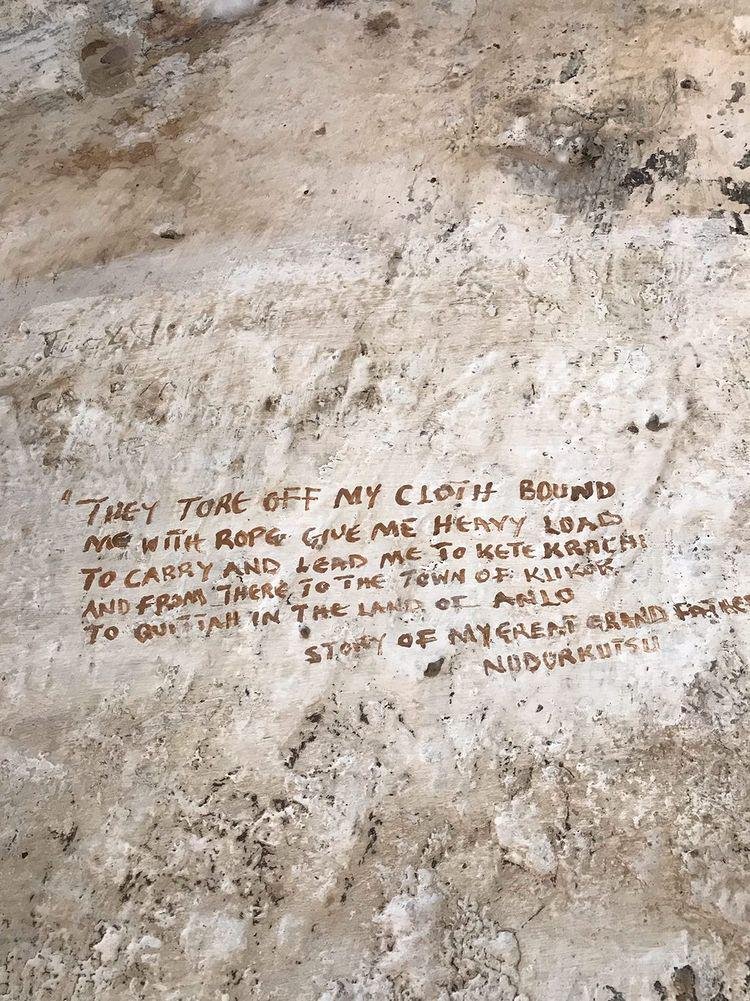
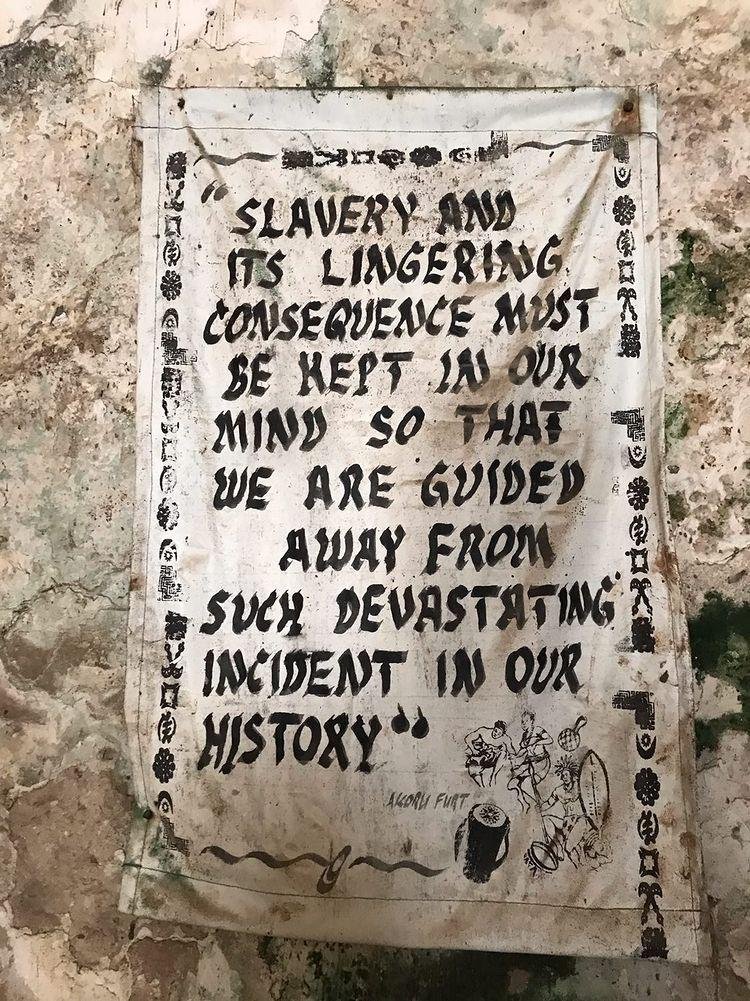
The fort served as a transit point for slaves from Accra, Northern Volta, Togo and Dahomey in Benin. They were marched from their villages and taken to the slaves markets in Keta and Atorkor, where you can see a memorial of the slave trade.
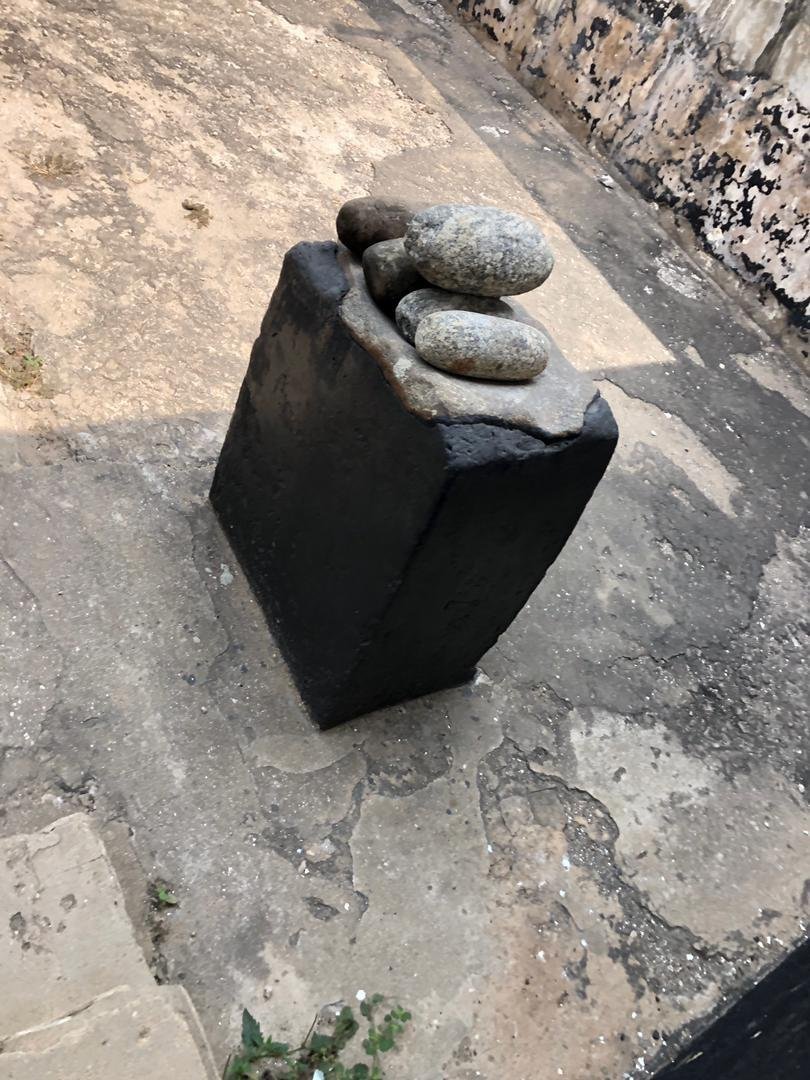
From there, the slaves were brought to Fort Prinzenstein and were subjected to a through physical examination by a medical expert. It was followed by the barbaric European practice of branding. A red-hot iron with the name or coat of arms of the company was used to burn a mark on the bodies of the slaves.
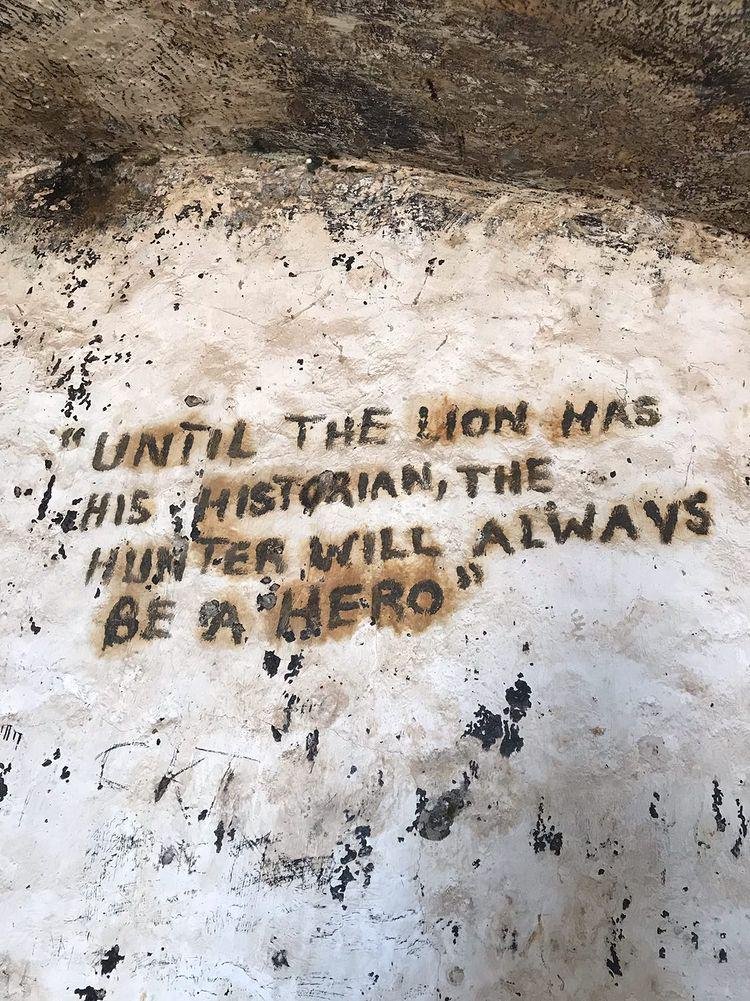
The fort offers as a step back in time and an insight into an area of history that cannot be ignored.